
Locations
A region-by-region guide to the Lands Between — Limgrave, Caelid, Liurnia, the Altus Plateau, underground cities and every area in the game.
Introduction
The Lands Between is one of the largest and most intricate open worlds ever made, and ELDEN RING Tarnished Edition packs all of it onto Nintendo Switch 2. This section maps every major region so you always know where you are, where you are going and what you will find when you get there. From the gentle rolling hills of Limgrave where every journey begins, through the scarlet-rot wasteland of Caelid and the misty lakes of Liurnia, to the golden Altus Plateau, the underground Eternal Cities and the snowfields beyond — every region has its own ecosystem of enemies, dungeons, bosses, map fragments and Sites of Grace. The guides cover the region-by-region progression order, the exact location of every map fragment, how to reach the hidden areas like the Haligtree and Farum Azula, and the secret dungeons that hide the game's best loot.
Regions Overview Reference
| Region | Recommended Level | Key Boss | Notable Loot |
|---|---|---|---|
| Limgrave | 1-30 | Margit the Fell Omen | Uchigatana, Bloodhound's Fang |
| Weeping Peninsula | 20-35 | Leonine Misbegotten | Golden Scarab talisman |
| Caelid | 50-80 | Starscourge Radahn | Moonveil, Meteorite Staff |
| Liurnia | 40-60 | Rennala | Dark Moon Greatsword |
| Altus Plateau | 60-90 | Godskin Noble | Blasphemous Blade |
Region Deep Dive
Limgrave
Where every Tarnished begins their journey
Caelid
The scarlet-rot wasteland of dragons
Liurnia of the Lakes
The misty lake region of sorcerers
Altus Plateau
The golden highlands before the capital
Underground & Eternal Cities
The Siofra, Ainsel and the Eternal Cities
Core Mechanics
ELDEN RING's world is structured as a series of distinct regions connected by paths, lifts and hidden passages, each gated by a recommended level and a boss that guards the way forward. The map is the game's most important navigation tool — you reveal each region's map by finding its map fragment on an obelisk, typically located on a road or a high point in the region. Sites of Grace act as fast-travel beacons and are often placed at major landmarks, so unlocking them doubles as exploration. Several regions are reached through non-obvious routes: the Altus Plateau via the Grand Lift of Dectus (needing two halves of a medallion) or the Ruin-Strewn Precipice; the underground Eternal Cities via wells and tunnels in Siofra and Ainsel; the Mountaintops via the Grand Lift of Rold after defeating Morgott; and the Haligtree and Farum Azula through specific quest progress. Each region also hides optional dungeons — catacombs, caves, tunnels and evergaols — that contain upgrade materials, talismans and unique weapons.
Advantages
The locations section gives you a mental map of the entire game before you set foot in it. Instead of wandering into Caelid at level 15 and wondering why everything one-shots you, the recommended-level table tells you exactly when each region is fair. The region-by-region breakdown explains how to reach every area — including the hidden ones like the Haligtree and the underground cities that many players miss entirely — and where to find the map fragments that make navigation possible. The section also highlights the best loot in each region, so your detours are never wasted: you know before entering Caelid that Moonveil and the Meteorite Staff are waiting there, and before Liurnia that Ranni's questline leads to the Dark Moon Greatsword. For exploration-focused players, this turns a daunting open world into a guided tour.
Challenges
The main weakness of a region guide for a game like ELDEN RING is that the game deliberately obscures its geography, and some routes depend on quest progress or obscure items — the Haligtree requires finding two Secret Medallion halves and using the Grand Lift of the Rold with them, and Farum Azula can only be reached at a specific story moment. These prerequisites are easy to miss, and a guide that skips them can leave you confused about why a path is blocked. Region recommendations are also approximations: a skilled player can clear Caelid at level 40 while a new player might need level 70. Finally, the Switch 2 edition does not change the map itself, so all locations are identical to the original game — this section is a navigation aid, not a source of new Switch 2-specific content.
Frequently Asked Questions
What order should I explore the regions in?+
How do I reach the Haligtree?+
Where are the map fragments?+
Quick Tips
Get the map fragment for every region before exploring it. The blank map is almost useless, and a filled map reveals the Sites of Grace and landmarks that let you plan routes instead of wandering blind. Each fragment sits on an obelisk near the region's main road — grab it as soon as you cross the border.
Explore the optional dungeons even when they are off the main path. Catacombs, caves, tunnels and evergaols hold smithing stones, talismans and unique weapons that no merchant sells, so clearing them as you pass through a region makes your build dramatically stronger and reduces the amount of grinding you need to do later.
Mark anything interesting on your map with a pin. If you see a glowing building, a golden seed tree or a doorway you cannot open yet, drop a map marker so you remember to return when you have the right key item or level. The game will not remind you — your own pins turn the world into a checklist.
Featured
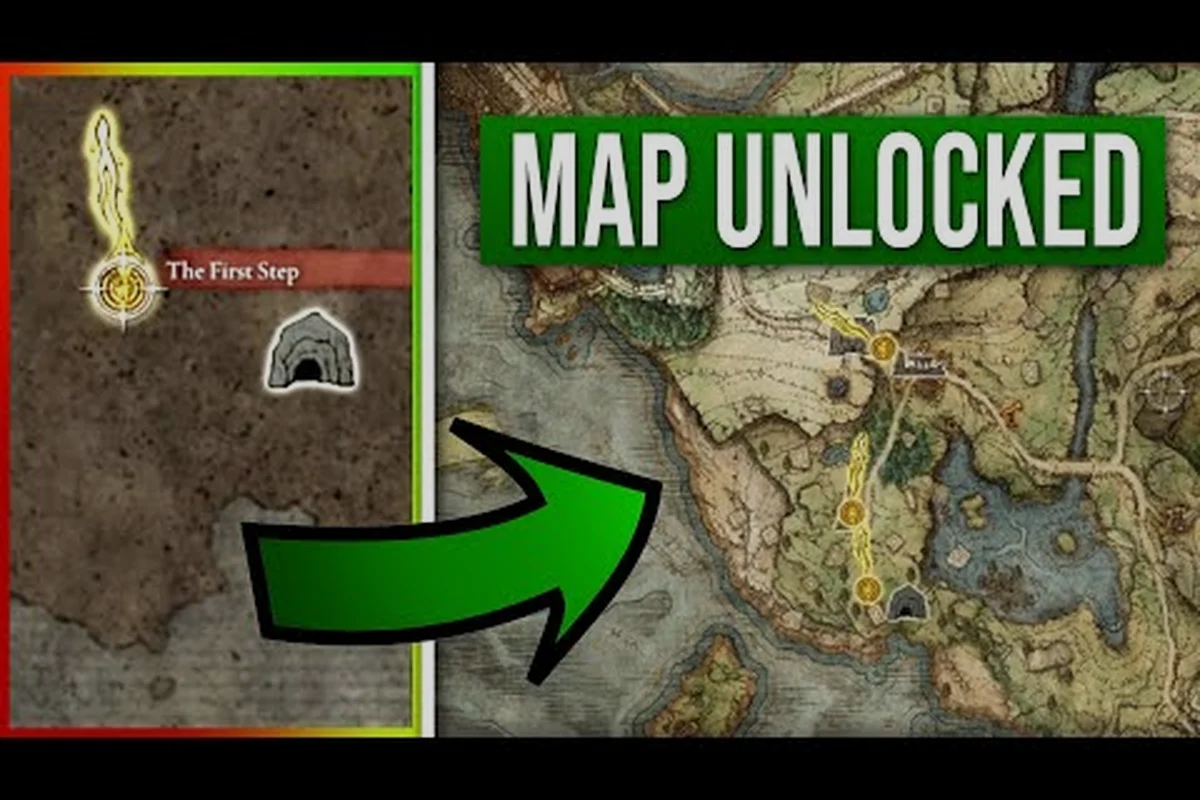
ELDEN RING Tarnished Edition Map Guide: Fast Travel Routes
Explore the ELDEN RING Tarnished Edition map with every region, map fragment locations, and fast travel routes connecting all Sites of Grace.
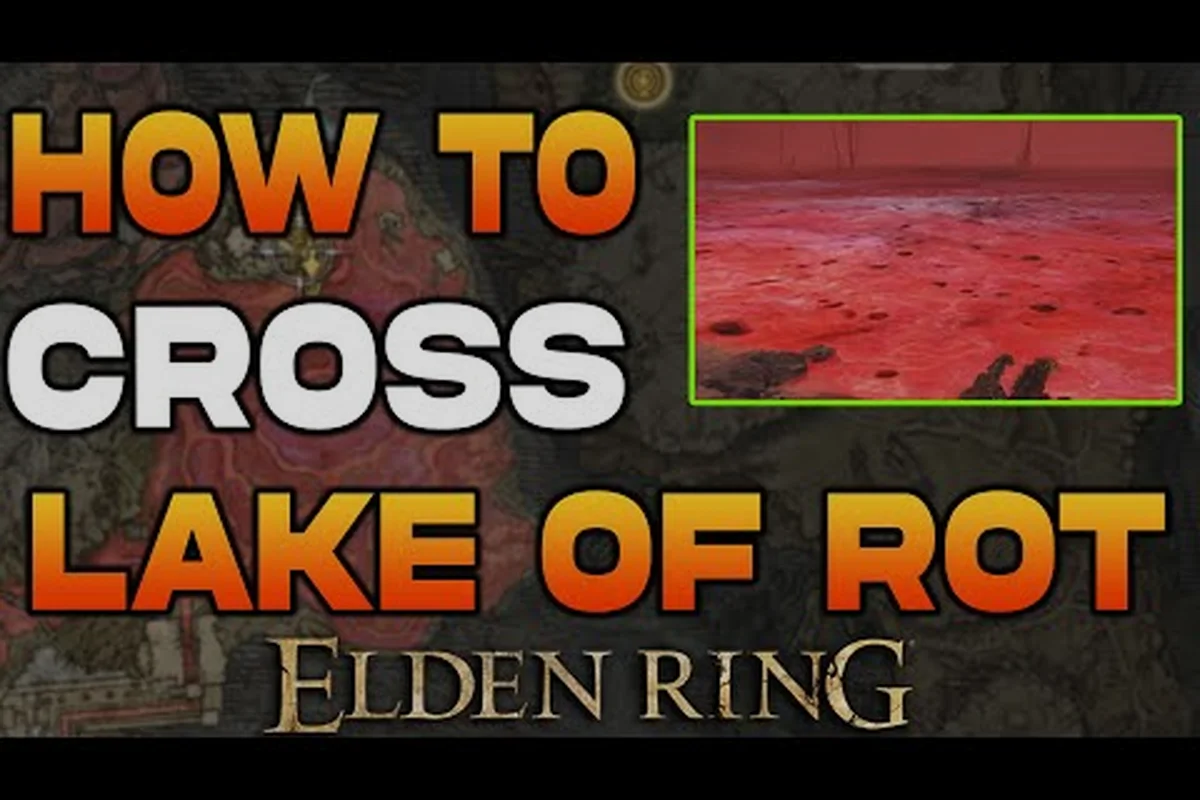
ELDEN RING Tarnished Edition Lake of Rot: Cross Guide
Cross the Lake of Rot in ELDEN RING Tarnished Edition with the right gear, reach the Grand Cloister, and find the hidden boss waiting beneath.
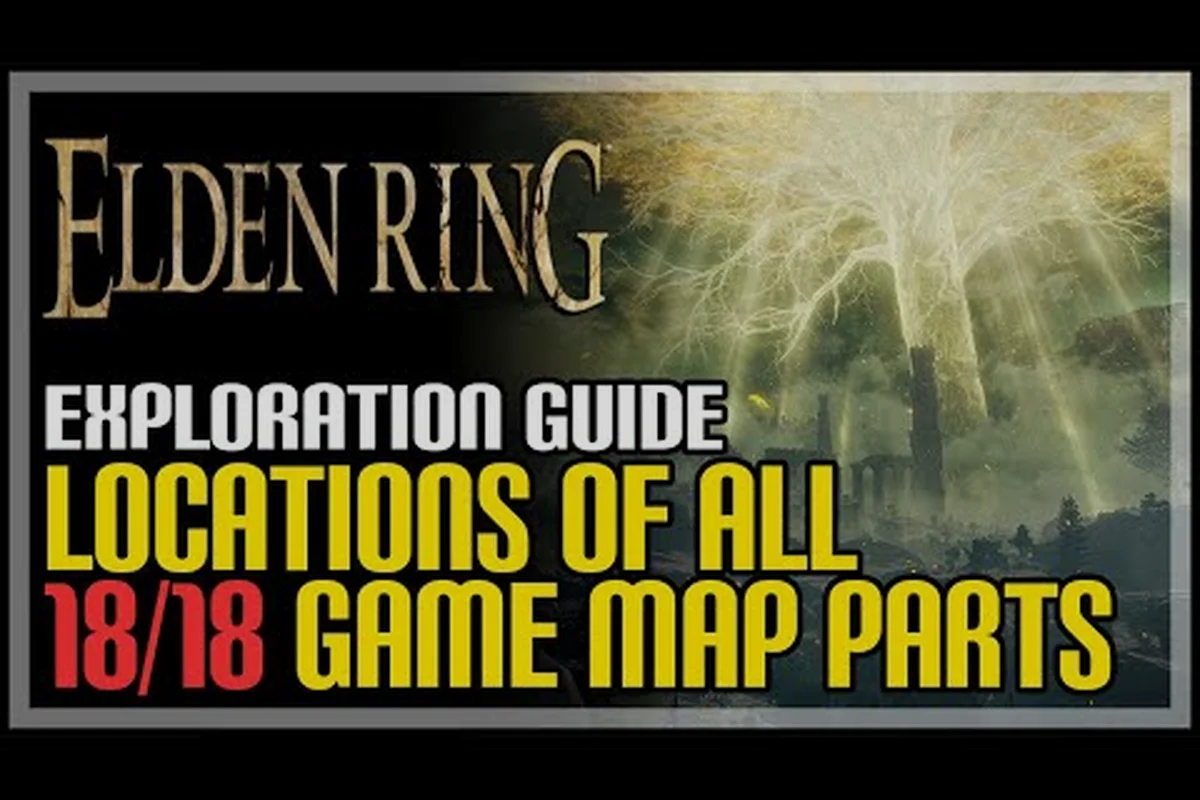
ELDEN RING Tarnished Edition Map Fragment Locations: Regions
Collect every map fragment location in ELDEN RING Tarnished Edition to reveal all regions, and find the churches and Sites of Grace along the way.
All Articles
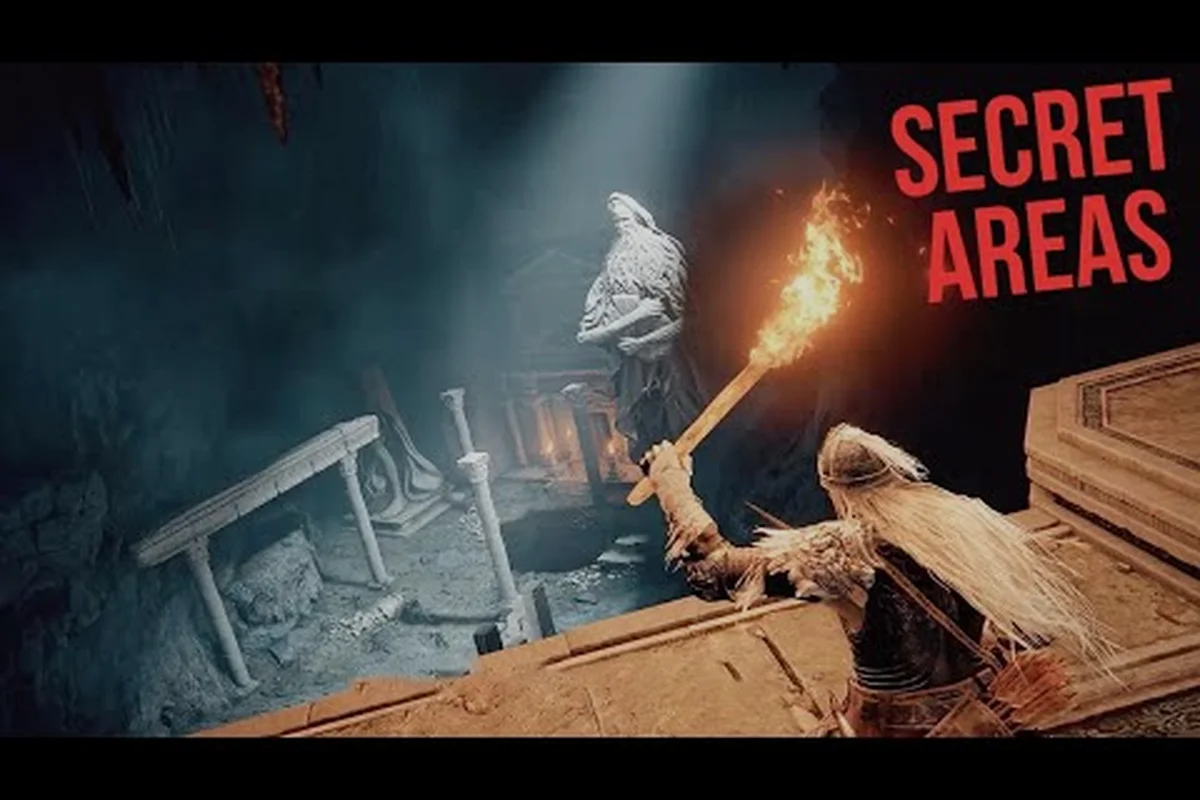
ELDEN RING Tarnished Edition Secret Dungeons Guide
Find every secret dungeon in ELDEN RING Tarnished Edition, from catacombs to legacy castles, and the unique loot hidden inside each one in every region.
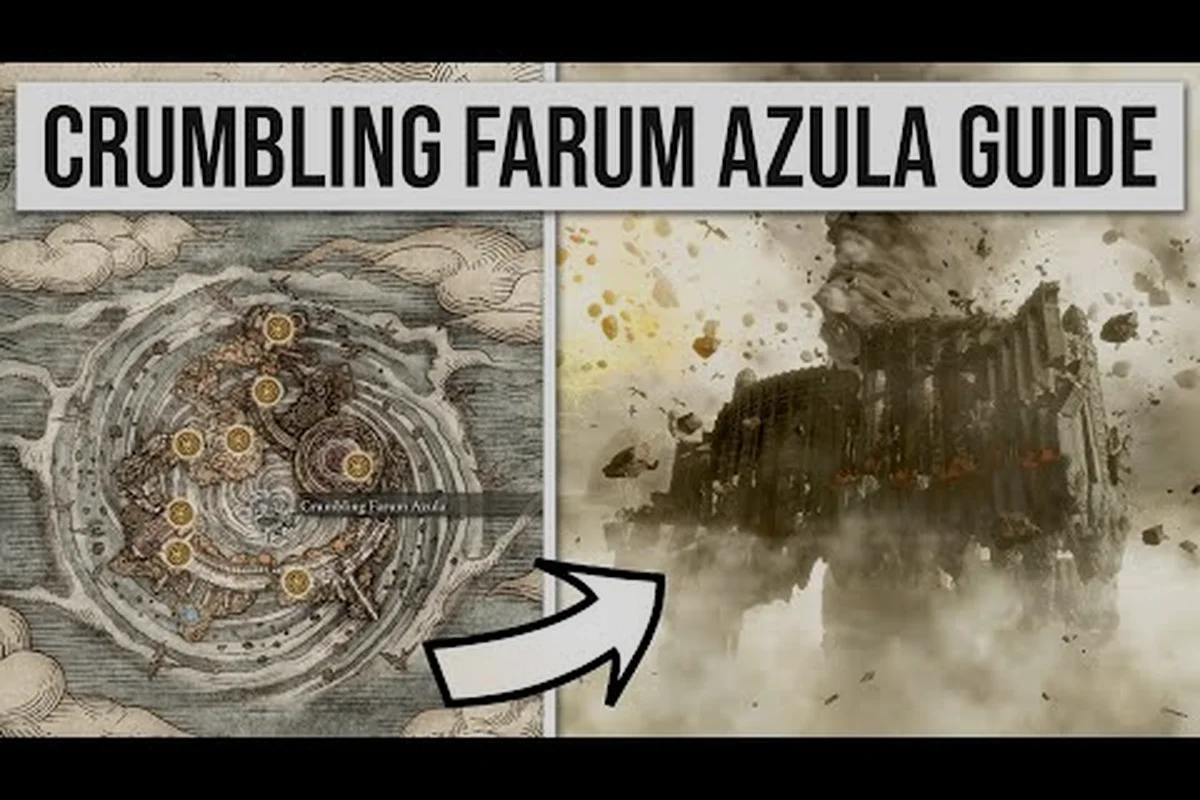
ELDEN RING Tarnished Edition Crumbling Farum Azula
Master Crumbling Farum Azula in ELDEN RING Tarnished Edition with all Sites of Grace and how to reach the optional Dragonlord Placidusax before the final boss.
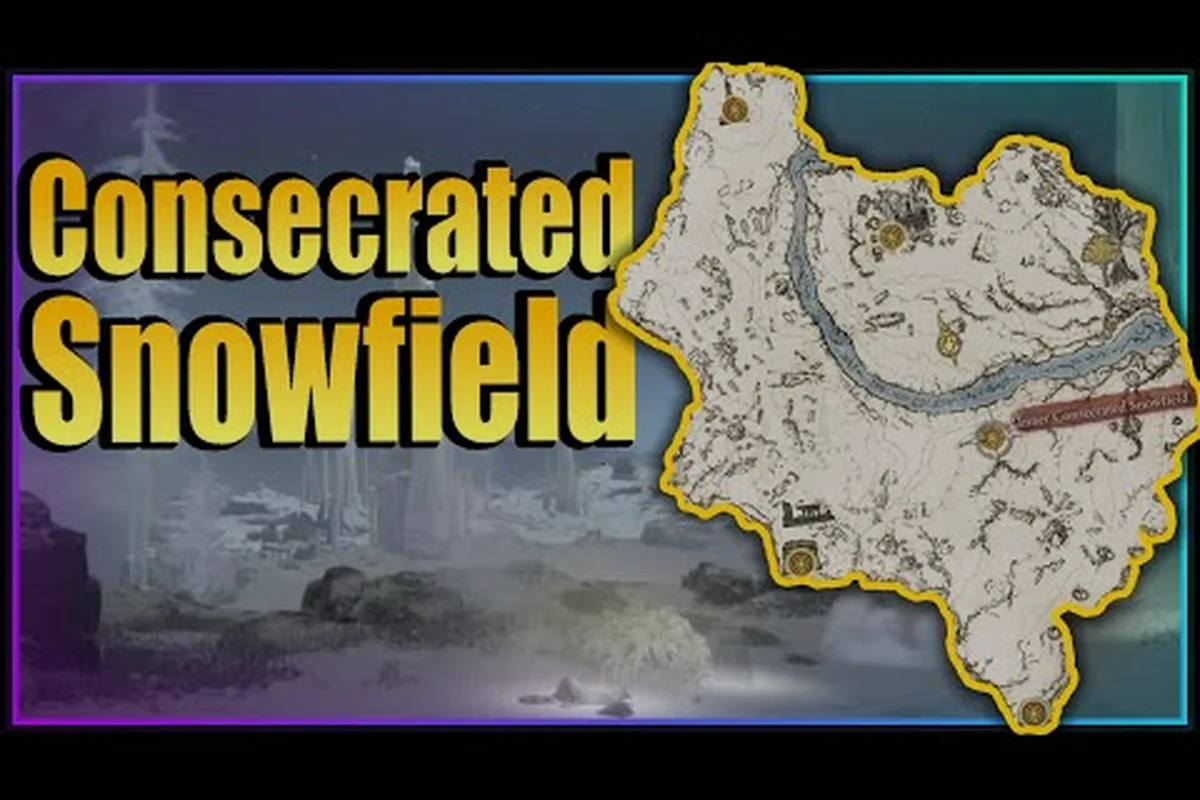
ELDEN RING Tarnished Edition Consecrated Snowfield
Navigate the Consecrated Snowfield in ELDEN RING Tarnished Edition, find the Haligtree medallion, and unlock Miquella's hidden sanctuary inside.